
Dubai has become a prominent hub for financial technology (FinTech) innovation, and one of the most notable events in this sector is the annual FinTech event. This gathering brings together a diverse array of industry leaders, innovators, investors, and policymakers from around the globe to discuss the latest trends, advancements, and challenges in the FinTech industry. 1.FiNext Awards & Conference Dubai 2025 The FiNext Awards & Conference Dubai 2025 is a premier event designed to bring together the brightest minds and leading innovators in the financial technology (FinTech) industry. Scheduled for February 12-13, 2025, this event will be held in the dynamic and cosmopolitan city of Dubai, known for its rapid advancements in technology and finance. Date:12 – 13 February 2025 2. The Global Trade Finance Expo The Global Trade Finance Expo is a premier event that serves as a nexus for professionals, institutions, and organizations operating in the dynamic realm of trade finance. Held annually, it gathers experts, innovators, and stakeholders from across the globe to explore, discuss, and shape the future of trade finance. Date: 8 – 9 May 2025 3. Seamless Middle East Seamless Middle East is a premier event in the realm of digital commerce and fintech, serving as a dynamic platform for industry leaders, innovators, and stakeholders to converge and explore the latest trends, strategies, and technologies shaping the future of commerce in the Middle East region. Date : 20 – 22 May 2025 4. Dubai FinTech Summit 2025 The Dubai FinTech Summit 2025 is set to be a landmark event in the financial technology sector, bringing together global leaders, innovators, and experts to explore the future of financial services. Scheduled to take place in the vibrant city of Dubai, known for its rapid technological advancements and business-friendly environment, this summit aims to highlight the latest trends, innovations, and challenges in the FinTech industry. Date : 7-8 May 2025 5. Pay 360 The Pay360 Conference is set to make its debut in Dubai, marking a significant milestone for the event as it extends its reach into the Middle Eastern market. Scheduled for late 2025, this premier gathering will convene industry leaders, payment professionals, and innovators to discuss the future of payments and financial technology. 6. Gitex Global GITEX Global is a premier technology event held annually in Dubai, United Arab Emirates. It serves as a convergence point for technology enthusiasts, industry leaders, startups, and government entities from around the world. The event showcases the latest innovations in various tech sectors, including artificial intelligence, cybersecurity, blockchain, and particularly, fintech. Date: To Be announced 7. Gulf Financial Forum The Gulf Financial Forum is an influential event set to take place in the heart of the Middle East, bringing together financial experts, policymakers, and industry leaders from across the region and beyond. This forum aims to address critical issues, explore emerging trends, and foster collaboration within the financial sector, driving economic growth and innovation in the Gulf Cooperation Council (GCC) countries. Date: 10 April 2025 8. Future Blockchain… Continue Reading Top 10 Fintech Events in Dubai in 2025
Author: user

Top Fintech Events To attend In Africa
Fintech in Africa has been rapidly growing and transforming the financial landscape across the continent. With the increasing penetration of mobile phones and internet connectivity, fintech companies have been able to reach previously underserved populations, providing them with access to financial services such as mobile payments, lending, insurance, and investment opportunities. These are few top fintech events which is supposed to take place in Africa. 1.FiNext Awards & Conference Morocco 2024 FiNext Awards & Conference, which is a global event aimed at bringing together various stakeholders in the financial sector, including tech start-ups, SMEs, tech providers, investors, institutions, and other industry professionals. The conference is scheduled for 25th-26th September 2024 and it will covers topics such as banking security, cash management, commercial payment strategies, and cloud IT platforms for financial institutions. It also aims to provide a platform for networking, knowledge sharing, and partnership building among entrepreneurs, financiers, innovators, practitioners, and enthusiasts in the financial industry. Date: 25th-26th September 2024 2.FinTech Summit Africa 2024 The FinTech Summit Africa 2024 aims to empower Africa through innovation, inclusion, and impact. Scheduled for 26-27 June 2024 at the Hilton Sandton, Johannesburg, the event will showcase the latest trends in the FinTech industry, emphasize financial inclusivity, and explore the role of FinTech in economic growth and social empowerment across the continent. With a focus on themes like AI, blockchain, digital banking, and cybersecurity, the summit is set to bring together C-Level Executives from financial institutions in Africa to discuss and shape the future of finance in the region. Date: 26-27 June, 2024 3.Seamless Africa Seamless Africa 2024 is a significant event scheduled for 16-17 October at the Sandton Convention Centre in Johannesburg, South Africa. It aims to explore the future landscape of payments, fintech, retail, and e-commerce across the African continent. The conference will host expert speakers discussing the latest industry trends and technologies, while the exhibition will feature over 250 brands presenting innovative solutions shaping the industry. The event provides valuable networking opportunities and fosters collaborations among decision-makers from various sectors actively driving change in digital commerce. Date: 16-17 October 2024 4.Fintech Festival Tanzania The Fintech Festival Tanzania aim to bring together the FinTech community to connect, collaborate, and co-create. The events feature exhibitions, conferences, awards, and speakers from the industry. The festivals provide a platform for showcasing innovative products and services, networking, and gaining insights into the latest trends and opportunities in the FinTech sector. Date: 28 – 29 November 2024 5.Digital PayExpo 2024 Digital PayExpo 2024 event, which is focused on payment modernization and the latest trends in the payment industry. It provides information about the event location, date, and time, as well as details about the agenda, speakers, and what attendees can expect. The event aims to bring together industry practitioners, regulators, start-ups, and solution providers for networking, knowledge sharing, and collaboration. Date: : 05-06 June 2024 6. Nigeria Fintech Week The Nigeria Fintech Week (NFW) is the largest industry event in Africa, fostering innovation, strategic partnerships, and ecosystem transformations… Continue Reading Top Fintech Events To attend In Africa

Top 10 Payment Companies Revolutionizing Africa’s Financial Landscape
The digital revolution is transforming Africa’s financial sector, with numerous payment companies leading the charge. These companies are bridging gaps, fostering financial inclusion, and driving economic growth across the continent. Here’s a look at the top 10 payment companies making waves in Africa. 1. M-Pesa M-Pesa, a mobile money service launched by Safaricom in Kenya, has become synonymous with financial inclusion. Since its inception in 2007, M-Pesa has enabled millions of unbanked and underbanked individuals to perform transactions, save money, and access credit. Its success has inspired similar services across the globe. 2. Flutterwave Flutterwave, a Nigerian fintech company, provides seamless payment solutions for businesses in Africa and beyond. Founded in 2016, Flutterwave offers a robust platform that enables merchants to accept payments in various forms, including cards, bank transfers, and mobile money. Its innovative approach has earned it a spot among the top payment gateways in Africa. 3. Paystack Paystack, also based in Nigeria, is a rapidly growing payment processing company. Acquired by Stripe in 2020, Paystack empowers businesses to accept online and offline payments easily. Its user-friendly interface and comprehensive suite of tools have made it a favorite among African entrepreneurs and SMEs. 4. Paga Paga, another Nigerian fintech giant, focuses on simplifying payments and financial services for individuals and businesses. Established in 2009, Paga provides a wide range of services, including bill payments, money transfers, and merchant payments. Its extensive agent network has significantly boosted its reach across Nigeria. 5. Cellulant Founded in 2003, Cellulant is a leading Pan-African payments company operating in multiple countries. With a mission to digitize payments across Africa, Cellulant offers a suite of solutions for consumers, businesses, and governments. Its flagship product, Tingg, is a one-stop digital payments platform that supports various transaction types. 6. Jumo Jumo, a South African company, combines fintech and data science to provide financial services to underserved markets. Since 2014, Jumo has offered lending and savings solutions through partnerships with mobile network operators and banks. Its data-driven approach has enabled millions of Africans to access financial services previously out of reach. 7. Chipper Cash Chipper Cash, founded in 2018, is a cross-border payments app operating in multiple African countries. Headquartered in San Francisco, Chipper Cash enables free peer-to-peer transfers and low-cost business transactions. Its rapid growth and innovative services have made it a key player in Africa’s digital payments landscape. 8. Zazu Zazu is a Zambian fintech startup that aims to enhance financial literacy and inclusion through its digital wallet and financial management tools. Launched in 2015, Zazu offers a prepaid card and an app that allows users to manage their money, make payments, and track expenses, empowering individuals to take control of their finances. 9. Kuda Bank Kuda Bank, a Nigerian digital-only bank, is revolutionizing banking in Africa with its no-fee, user-friendly banking services. Since its launch in 2019, Kuda has attracted a significant customer base by offering free transfers, savings plans, and budgeting tools. Its mobile-first approach resonates well with Africa’s tech-savvy youth. 10. Eversend… Continue Reading Top 10 Payment Companies Revolutionizing Africa’s Financial Landscape
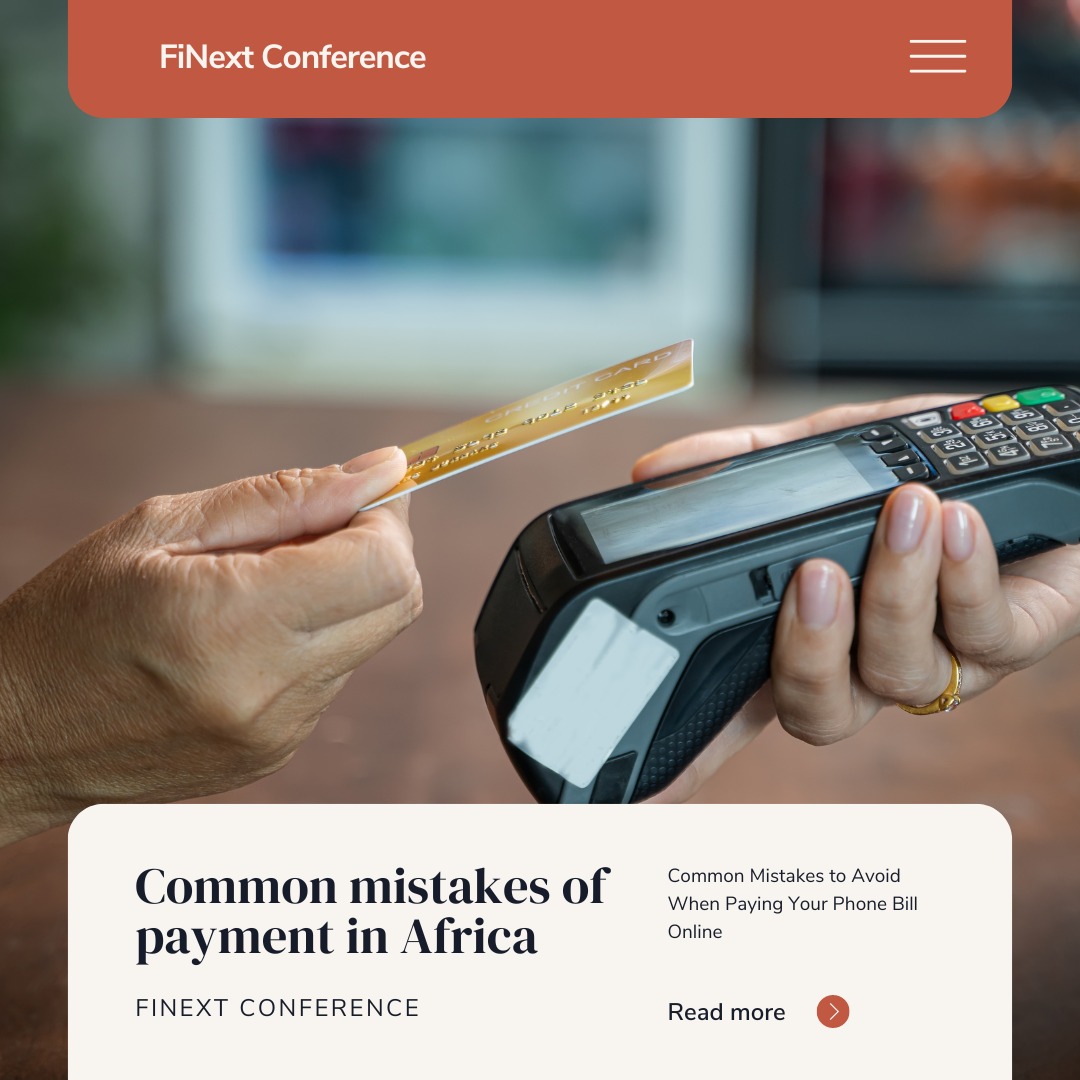
Common Mistakes in Payment Systems in Africa
Africa is experiencing a significant transformation in its payment systems, driven by increasing mobile penetration, financial inclusion initiatives, and a growing digital economy. Despite these advancements, several common mistakes continue to hinder the efficiency and effectiveness of payment systems across the continent. Understanding these pitfalls is crucial for stakeholders looking to enhance financial services and drive economic growth. 1. Neglecting Local Context and User Needs One of the most common mistakes is failing to tailor payment solutions to the unique needs and contexts of African markets. Solutions developed in other regions might not address local challenges such as intermittent internet connectivity, literacy levels, and cultural nuances. For instance, a sophisticated online banking system might be less effective in rural areas with limited internet access. Successful payment systems often leverage USSD codes and SMS-based transactions to accommodate these conditions. 2. Overlooking Regulatory Compliance Regulatory landscapes in African countries can be complex and vary significantly from one country to another. Ignoring local regulations can result in hefty fines, operational disruptions, or even shutdowns. For example, Nigeria’s Central Bank has strict guidelines for mobile money operators. Companies must engage with regulators early and often to ensure compliance and adapt to evolving regulatory frameworks. 3. Inadequate Security Measures Cybersecurity is a critical concern for payment systems, yet many operators in Africa underestimate its importance. Insufficient security measures can lead to data breaches, financial losses, and loss of customer trust. Implementing robust encryption, multi-factor authentication, and regular security audits are essential steps to safeguard transactions and sensitive data. 4. Poor User Experience and Interface Design User experience (UX) is a key determinant of a payment system’s success. Complex interfaces, slow transaction processing times, and unclear error messages can frustrate users and lead to abandonment. It’s important to design intuitive, user-friendly interfaces that provide clear guidance and feedback, particularly for users who might be new to digital payments. 5. Underestimating the Importance of Customer Support Reliable customer support is crucial for addressing issues and maintaining trust in payment systems. Many providers fail to invest adequately in customer service infrastructure, leading to long resolution times and customer dissatisfaction. Offering multilingual support and training customer service representatives to handle common issues effectively can enhance user satisfaction and loyalty. 6. Limited Interoperability Many payment systems in Africa operate in silos, lacking interoperability with other systems. This fragmentation can inconvenience users who need to manage multiple accounts or platforms. Promoting interoperability between different payment providers and financial institutions can streamline transactions and enhance user convenience. 7. Ignoring the Potential of Mobile Money Mobile money has revolutionized payments in Africa, particularly in East Africa with services like M-Pesa. However, some regions and providers have been slow to adopt or integrate mobile money solutions. Recognizing and leveraging the potential of mobile money can drive financial inclusion and expand the reach of payment services. 8. Inadequate Infrastructure Investment The success of digital payment systems heavily relies on the underlying infrastructure. In many parts of Africa, poor infrastructure—such as unreliable power supply and limited… Continue Reading Common Mistakes in Payment Systems in Africa
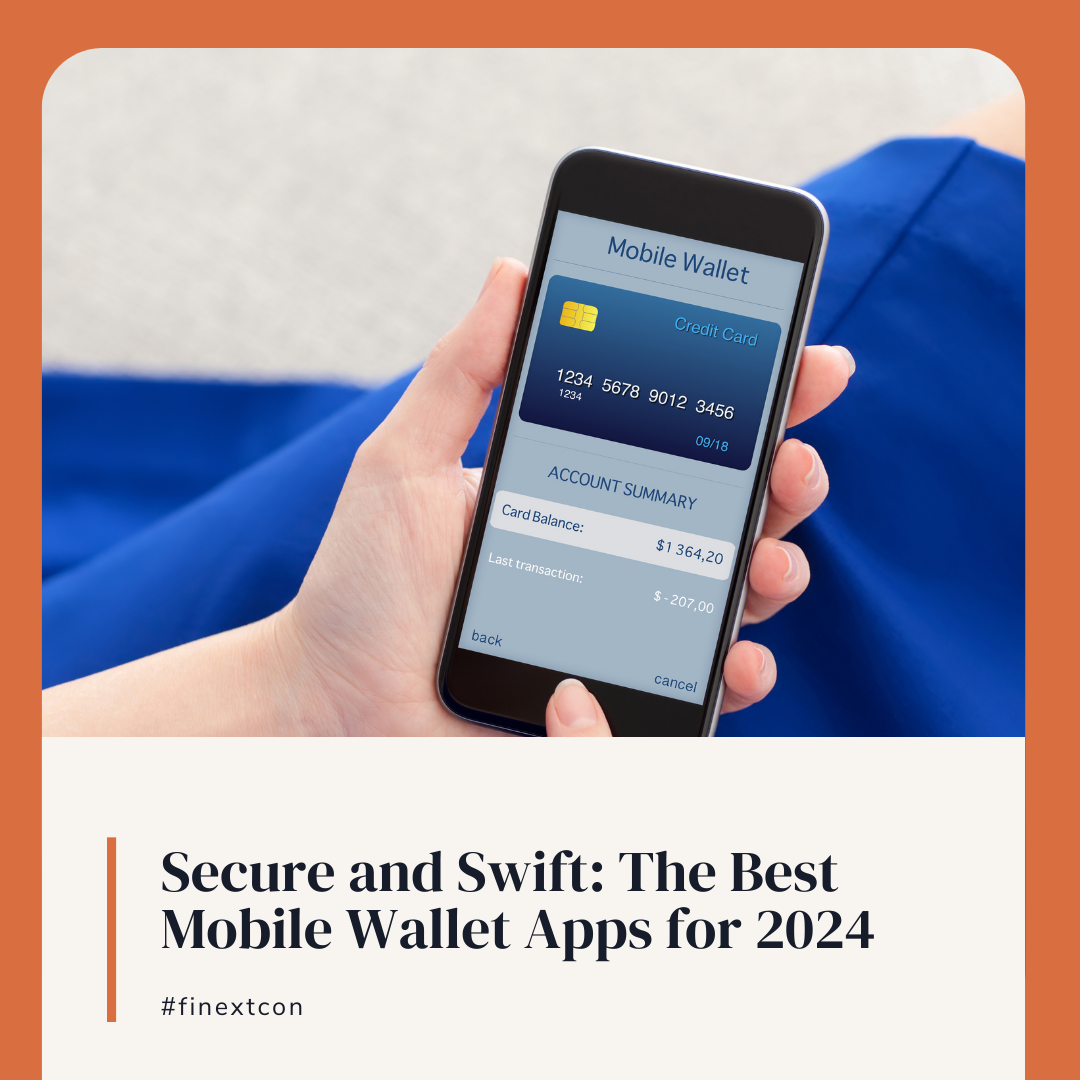
Secure and Swift: The Best Mobile Wallet Apps for 2024
In today’s fast-paced world, mobile wallets have become an indispensable tool for managing finances, making transactions, and even handling identity verification. As we step into 2024, the landscape of mobile wallet apps has evolved with enhanced security features and user-friendly interfaces. Here’s a look at the best mobile wallet apps of the year, focusing on their security measures, swift performance, and unique features. Apple Pay Why It Stands Out:Apple Pay continues to dominate the mobile wallet space with its seamless integration across Apple devices. The app supports contactless payments, online purchases, and even peer-to-peer transactions through iMessage. Key Features:Security: Uses Face ID, Touch ID, and secure tokens for each transaction. Card details are never stored on the device or Apple servers.Speed: Transactions are swift, taking mere seconds for completion.Integration: Works effortlessly with Apple devices, including iPhones, iPads, Apple Watches, and Macs.User Experience:Apple Pay’s intuitive interface and integration with the Apple ecosystem make it a favorite for users who value convenience and security. Google Wallet Why It Stands Out:Google Wallet offers a versatile platform for Android users, enabling easy management of cards, tickets, and loyalty programs. Its integration with Google services enhances user convenience. Key Features:Security: Employs advanced encryption, biometric authentication, and tokenization for transactions.Speed: Efficient and quick transactions, bolstered by Google’s robust infrastructure.Versatility: Supports a wide range of payment options, including NFC payments and online purchases.User Experience:Google Wallet’s clean interface and broad compatibility with Android devices and services make it a reliable choice for millions. Samsung Wallet Why It Stands Out:Samsung Wallet combines the best of Samsung Pay and Samsung Pass, offering a comprehensive solution for payments, digital keys, and more. It’s particularly well-suited for users within the Samsung ecosystem. Key Features:Security: Utilizes Samsung Knox security, biometric authentication, and tokenization.Speed: Near-instantaneous transactions and quick access to stored information.Innovations: Supports MST technology for wider merchant acceptance and integrates with Samsung devices seamlessly.User Experience:Samsung Wallet’s all-in-one approach and focus on security make it a top choice for Samsung device users. PayPal Why It Stands Out:PayPal remains a trusted name in digital payments, with its mobile wallet app providing a reliable platform for transactions, money transfers, and online shopping. Key Features:Security: Advanced encryption, two-factor authentication, and fraud protection.Speed: Quick transfers and payments, with extensive support for various currencies.Global Reach: Widely accepted by merchants worldwide, making it ideal for international transactions.User Experience:PayPal’s long-standing reputation and comprehensive features offer users a secure and efficient way to manage their finances on the go. Venmo Why It Stands Out:Venmo, owned by PayPal, is popular for its social approach to payments, making it easy to split bills and share expenses among friends. Key Features:Security: Utilizes encryption and multi-factor authentication to protect user data.Speed: Instant transfers and payments, with options for quick bank withdrawals.Social Integration: Unique social feed for transactions, adding a social element to payments.User Experience:Venmo’s fun and social interface, combined with robust security features, make it a favorite among younger users and groups of friends. ConclusionThe best mobile wallet apps of 2024 combine top-notch security with swift… Continue Reading Secure and Swift: The Best Mobile Wallet Apps for 2024

Top 5 Mobile Payment Apps You Need to Try in 2024
In today’s fast-paced world, convenience and speed are paramount, especially when it comes to financial transactions. Mobile payment apps have revolutionized how we handle our money, offering seamless and secure ways to pay for goods and services, transfer funds, and manage our finances. As we step into 2024, several mobile payment apps stand out for their features, security, and ease of use. Here are the top 5 mobile payment apps you need to try this year. 1. Apple Pay Why It Stands Out: Apple Pay continues to lead the mobile payment industry with its seamless integration into the Apple ecosystem. Whether you’re using an iPhone, Apple Watch, iPad, or Mac, Apple Pay provides a convenient and secure way to make payments in stores, apps, and on the web. Key Features: Ideal For: Apple device users who value a cohesive and secure payment experience integrated into their daily tech ecosystem. 2. Google Pay Why It Stands Out: Google Pay offers a comprehensive payment solution for Android users, combining simplicity and security. It’s not just a payment app but also a way to manage your money effectively. Key Features: Ideal For: Android users who want a versatile payment app that integrates seamlessly with other Google services and offers a broad range of functionalities. 3. PayPal Why It Stands Out: PayPal remains a stalwart in the online payment arena, known for its robust security measures and widespread acceptance. It’s a go-to option for online shoppers and businesses alike. Key Features: Ideal For: Frequent online shoppers, freelancers, and small business owners who require a reliable and globally accepted payment method. 4. Venmo Why It Stands Out: Venmo, a PayPal subsidiary, is a popular choice for peer-to-peer transactions, especially among younger users. Its social media-like interface makes splitting bills and sharing payments with friends fun and easy. Key Features: Ideal For: Young adults and college students who frequently split expenses with friends and enjoy a social twist to their financial transactions. 5. Cash App Why It Stands Out: Cash App, developed by Block, Inc. (formerly Square), offers a simple and quick way to send and receive money. It also provides unique features like investing in stocks and Bitcoin directly from the app. Key Features: Ideal For: Individuals looking for a versatile payment app that goes beyond simple money transfers, offering investment opportunities and unique spending perks. Additionally, for those who frequently send money internationally, finding the cheapest and most efficient way to transfer funds is crucial. A valuable resource for this is BitDegree, which provides detailed insights and comparisons on the cheapest way to send money internationally. Their comprehensive guides help users navigate the complexities of international transfers while saving on fees and ensuring security, complementing the ease of use these mobile payment apps offer: Read HERE Conclusion: As mobile payment technology continues to evolve, these top 5 mobile payment apps—Apple Pay, Google Pay, PayPal, Venmo, and Cash App—offer a blend of convenience, security, and innovative features. Whether you’re an iPhone or Android user, a… Continue Reading Top 5 Mobile Payment Apps You Need to Try in 2024

In today’s fast-paced and dynamic business environment, finance remains one of the most rewarding and exciting fields. Whether you are a recent graduate deciding on a career path or a professional looking to pivot, here are five compelling reasons to grow your career in finance. Diverse Career OpportunitiesFinance is a broad field with numerous specializations and career paths. Whether you are interested in investment banking, financial planning, corporate finance, asset management, or financial analysis, there is a niche for every interest. This diversity allows you to tailor your career to your strengths and passions. Additionally, the skills you acquire in finance are transferable across various industries, including technology, healthcare, and entertainment, providing endless possibilities for career growth. Strong Earning PotentialOne of the most attractive aspects of a career in finance is the potential for high earnings. According to the U.S. Bureau of Labor Statistics, the median annual wage for business and financial occupations was significantly higher than the median for all occupations. Roles in finance often come with lucrative bonuses and commissions, especially in investment banking and sales. As you gain experience and advance in your career, the financial rewards can increase substantially. Continuous Learning and DevelopmentThe finance industry is ever-evolving, with new regulations, technologies, and market trends constantly emerging. This dynamic environment ensures that you are always learning and developing new skills. Pursuing certifications such as Chartered Financial Analyst (CFA) or Certified Financial Planner (CFP) can further enhance your knowledge and career prospects. Continuous learning keeps your job interesting and ensures you stay competitive in the market. Impact and InfluenceFinance professionals play a critical role in shaping the strategic direction of organizations. Whether you are analyzing data to guide investment decisions, managing financial risks, or advising on mergers and acquisitions, your work has a direct impact on the success and growth of businesses. This level of influence can be incredibly fulfilling and provides a sense of purpose and accomplishment in your career. Global OpportunitiesFinance is a global industry, and the skills you develop are in demand worldwide. Many finance roles offer opportunities for international travel and exposure to global markets. Working for multinational corporations or in major financial hubs such as New York, London, Hong Kong, and Singapore can broaden your professional network and enhance your career prospects. The global nature of finance also means that you can find opportunities to work abroad or with international clients, adding an exciting dimension to your career. ConclusionA career in finance offers diverse opportunities, strong earning potential, continuous learning, significant impact, and global prospects. Whether you are just starting out or looking to advance, the finance industry provides a dynamic and rewarding career path. Investing in your finance career not only promises personal growth but also the chance to make a meaningful difference in the business world. Embrace the challenge and embark on a fulfilling journey in the world of finance! Read More 5 ways to grow your money with fintech
5 ways to grow your money with fintech
Fintech can boost your money in five ways

5 ways to growing in fintech industry
5 ways to growing in fintech industry

The Fintech Frontier: Trailblazing Innovations of the Past Year
The fintech industry has undergone a whirlwind of change over the last 12 months, cementing its position as an industry that is growing rapidly and reshaping the financial landscape. From advancements in digital payments to the importance of decentralized finance (DeFi), the fintech sector has witnessed many innovations that will have a huge impact on consumers and businesses. Rapid growth in the adoption of mobile wallets and contactless payments. Digital Payment Solutions Digital payment solutions are becoming ubiquitous due to the COVID19 pandemic and the need for uninterrupted communication, with technology companies such as Apple, Google and Samsung expanding their wallets on the platform. This change not only improves the convenience and security of everyday shopping, but also paves the way for the integration of instant buy, pay by one (BNPL) options, allowing customers to split payments across management. The past year has seen an increase in the use of digital assets, with major financial institutions and businesses taking advantage of blockchain technology. This has led to the growth of userfriendly crypto wallets, trading platforms, and trading apps that make it easier for retailers and companies to explore the intricacies of the crypto ecosystem. Significant progress has also been made on inclusivity and accessibility. Innovative banks and neobanks that use technology to provide affordable and customer friendly financial services to underserved and underserved communities are at the forefront of this movement. From seamless mobile banking to personal financial planning tools, the fintech revolution is helping individuals and small businesses manage their financial future. Fusion (ML) for various financial applications. From automated investment advisors to fraud detection systems, advanced technologies are enabling fintech companies to deliver more personalized, efficient and secure financial services. This trend must continue, with the potential to change the way we manage our money and make smart financial decisions. As advances continue in areas such as open banking, arts finance and sustainable finance, the financial landscape will become more connected, personal and greener than ever before. By embracing these new trends, fintech companies are paving the way for a more integrated, efficient and profitable financial ecosystem that benefits people and businesses. The fintech landscape has always been a hotbed of innovation, with technology continuously reshaping how we think about and engage with financial services. The past year has been no exception, marked by groundbreaking advancements and transformative trends. Here, we explore some of the most trailblazing fintech innovations that have emerged over the last 12 months. 1. Decentralized Finance (DeFi) Expansion Decentralized Finance, or DeFi, has continued its meteoric rise, disrupting traditional financial systems with its promise of a permissionless and open financial ecosystem. Over the past year, we’ve seen DeFi protocols amass billions in total value locked (TVL), reflecting growing trust and adoption. Innovations such as automated market makers (AMMs), yield farming, and cross-chain interoperability have significantly enhanced the DeFi space, making it more accessible and versatile. 2. Central Bank Digital Currencies (CBDCs) Central Bank Digital Currencies have moved from theoretical concepts to pilot projects and even implementations. Countries like China, with its Digital Yuan, and the Bahamas, with the Sand Dollar, have led the charge, demonstrating the potential of CBDCs to enhance payment systems, increase financial inclusion, and provide more efficient monetary policy tools. The exploration of CBDCs by major economies signals a pivotal shift towards digital currencies on a national and global scale. 3. Embedded Finance Embedded finance has taken center stage, allowing non-financial companies to offer financial services directly within their platforms. This trend has been particularly evident in e-commerce, ride-sharing, and gig economy platforms, where companies integrate payment processing, lending, and insurance products seamlessly into their user experiences. By embedding financial services, businesses can provide a more holistic and convenient customer journey while opening new revenue streams. 4. Artificial Intelligence and Machine Learning AI and machine learning have become indispensable tools in fintech, driving innovations in areas such as fraud detection, credit scoring, and personalized financial planning. Over the past year, we’ve seen more sophisticated AI algorithms capable of analyzing vast datasets to uncover patterns and insights that human analysts might miss. These advancements have led to more accurate risk assessments, better customer service through AI-driven chatbots, and enhanced user experiences with personalized financial advice. 5. RegTech Solutions Regulatory Technology (RegTech) has gained momentum as financial institutions seek to navigate the complex and ever-changing regulatory landscape. Innovations in RegTech over the past year include advanced compliance monitoring systems, automated reporting tools, and blockchain-based solutions for regulatory transparency. These technologies help firms reduce compliance costs, minimize regulatory risks, and ensure adherence to global standards. 6. Green Fintech Sustainability has become a focal point for fintech innovation, with green fintech emerging as a significant trend. Companies are developing financial products that promote environmental sustainability, such as green bonds, carbon credit trading platforms, and sustainable investment funds. Additionally, fintech firms are leveraging blockchain to enhance transparency and traceability in supply chains, ensuring that investments and transactions align with environmental, social, and governance (ESG) criteria. 7. Buy Now, Pay Later (BNPL) Evolution The Buy Now, Pay Later (BNPL) model has surged… Continue Reading The Fintech Frontier: Trailblazing Innovations of the Past Year