
Acute Info Solutions, a leading provider of cutting-edge technology solutions for the banking sector, proudly announces its recognition at the prestigious FiNext Conference 2024. At this premier event held on February 28th and 29th at Crowne Plaza in Deira Dubai, Acute Info Solutions was honored with the esteemed Excellence in Finance Award for BankingTech Integration, underscoring its commitment to innovation and excellence in the finance industry. The Excellence in Finance Award for Banking Tech Integration acknowledges Acute Info Solutions‘ outstanding contributions to the banking sector through its innovative technological solutions. By seamlessly integrating technology into banking operations, Acute Info Solutions has demonstrated its ability to drive efficiency, enhance customer experience, and transform the financial landscape. Participation in the FiNext Conference provided Acute Info Solutions with a platform to showcase its innovative banking technology solutions, engage with industry leaders, and exchange insights on the latest trends and developments in finance and technology. The event served as a catalyst for fostering meaningful collaborations and highlighted Acute Info Solutions’ pivotal role in driving positive change and innovation in the banking sector. As Acute Info Solutions continues to innovate and redefine banking technology, the Excellence in Finance Award for BankingTech Integration serves as a testament to its continued success and dedication to excellence. Acute Info Solutions remains committed to delivering cutting-edge solutions that enable banks to stay ahead in an increasingly digital world. About Acute Info Solutions: Acute Info Solutions is a leading provider of technology solutions for the banking sector, specializing in [Brief Description of Solutions]. With a focus on innovation, integrity, and customer satisfaction, Acute Info Solutions empowers banks to thrive in the digital age by delivering cutting-edge technology solutions that drive efficiency and enhance customer experience. About FiNext Conference The FiNext Conference 2024, held on February 28th and 29th at the esteemed Crowne Plaza in Deira Dubai, emerged as a hallmark event celebrating the intersection of finance and technology. This premier gathering brought together visionaries, industry leaders, innovators, and disruptors from around the globe to explore, collaborate, and inspire.
Author: user
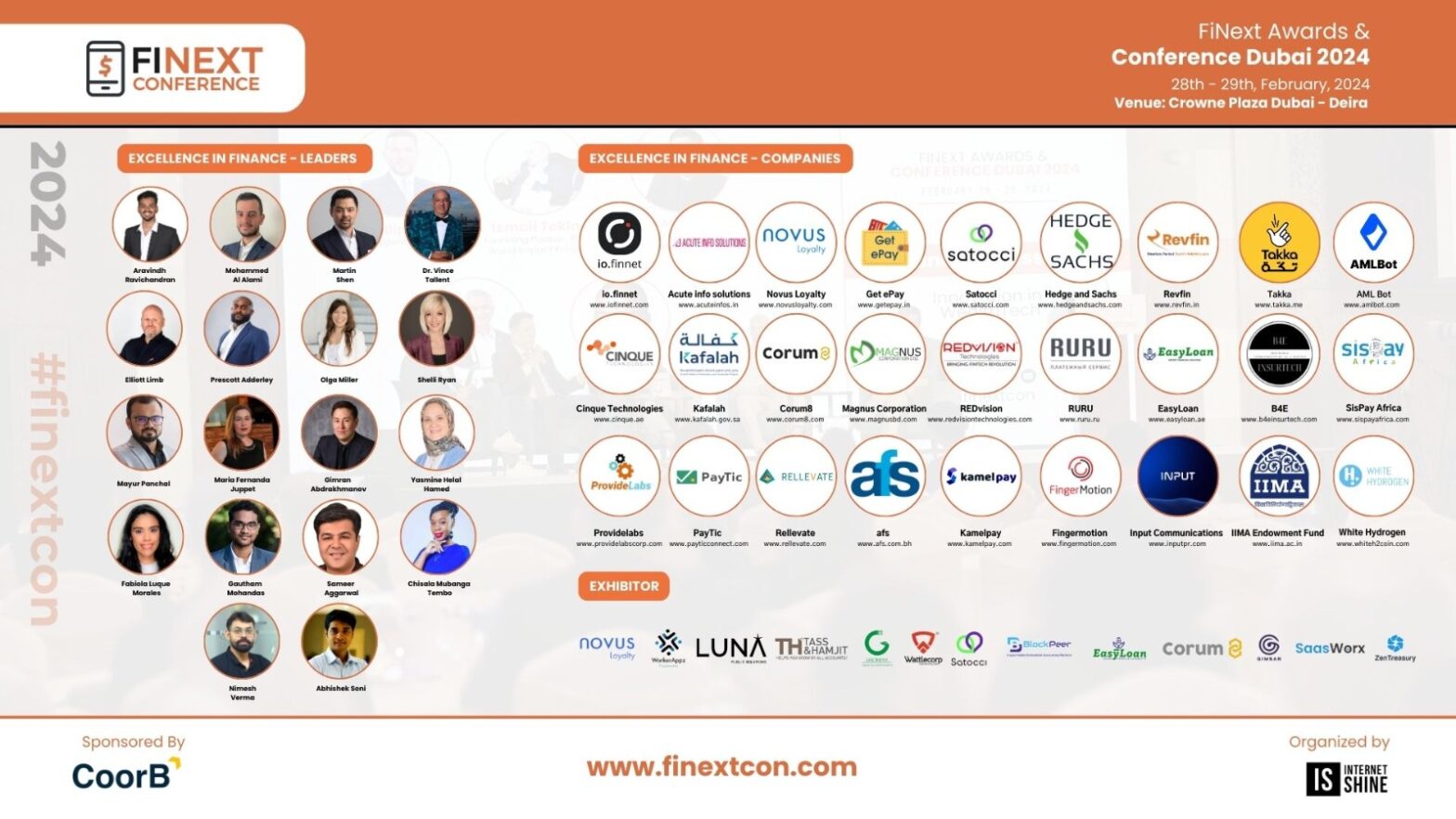
FiNext Conference 2024: Successfully Concludes 6th Edition in Dubai
The FiNext Conference, held in the vibrant city of Dubai on February 28th and 29th, 2024, servedas a dynamic platform for finance and technology innovators to converge and explore the futureof financial services. With CoorB as the proud sponsor, the event witnessed thought-provokingdiscussions, insightful presentations, and networking opportunities galore. Attendees from aroundthe globe engaged in conversations surrounding emerging trends, disruptive technologies, andstrategies to drive growth in the ever-evolving financial landscape. From blockchain to fintechstartups and traditional banking, FiNext Dubai 2024 showcased the intersection of finance andtechnology, paving the way for transformative advancements in the industry.InternetShine Corporation marked the third consecutive occurrence and the 6th edition of theFiNext Awards and Conference in Dubai. This distinguished event pays homage to theoutstanding achievements of entities and individuals in traditional finance and FinTech. With astrong emphasis on fostering interaction, innovation, networking, and talent showcase, FiNextcontinues to redefine excellence in the finance industry. Sponsored by CoorB: Pioneers in Digital Finance CoorB, the proud sponsor of the FiNext Conference, specializes in digital finance, providinginnovative solutions with a focus on process automation, user experience enhancement, andadvanced data analytics. Leveraging extensive industry expertise, CoorB helps achieveoperational excellence, future-proof IT investments, and ensures a competitive edge in the ever-evolving finance industry. Exhibitors at FiNext Conference: The conference boasts an impressive line-up of exhibitors, including:CoorB- CoorB is a professional services company specializing in Strategy and Consulting,Technology, and Managed Services. We work with banks and non-banking financial institutionsto design and implement innovative growth models; we provide highly qualified expertisespanning business strategy, advanced technology, and effective program management; we deliverfuture-ready technological solutions that overcome legacy limitations; we enhance organizationalagility and ensure technology serves the business goals. Our swift resource mobilization acrossdisciplines and unique approach to problem-solving enable us to achieve meaningful results withunparalleled speed.Luna PR – Luna PR is a global marketing and PR agency focusing on blockchain and fintech,space tech, emerging tech, medtech, e-sports and green tech.We work with events, startups, andbusinesses to bring the right exposure to your brand, increase awareness and reputation inmarkets worldwide. A division of Luna Management, our diverse and experienced team combinestheir knowledge in technology and communication to provide a customized yet simple plan to suiteach client’s needs. Tass & Hamjit – TASS AND HAMJIT is a professional services firm providing accounting,audit, business consultancy and advisory services to private, public enterprises and high net-worthindividuals. With a commitment to exceeding expectations, TASS AND HAMJIT offerscustomized solutions to clients of all sizes in the Middle East Asia and India. We are a team ofChartered Accountants, Finance Experts, Business Developers and CEOs each one of whom havean exciting exposure to some of the most challenging tasks in their respective fields. All theseprofessional power is merged into TASS AND HAMJIT to serve the best to our clients throughquality relationships and global standard services.Gimran & Co- Gimran & Co, under Gimran Abdrakhmanov’s leadership, is dedicated tofostering the growth of businesses through comprehensive financial solutions. As the CEO,Gimran spearheads a team committed to excellence and innovation in the financial industryEasy Loan Financing… Continue Reading FiNext Conference 2024: Successfully Concludes 6th Edition in Dubai
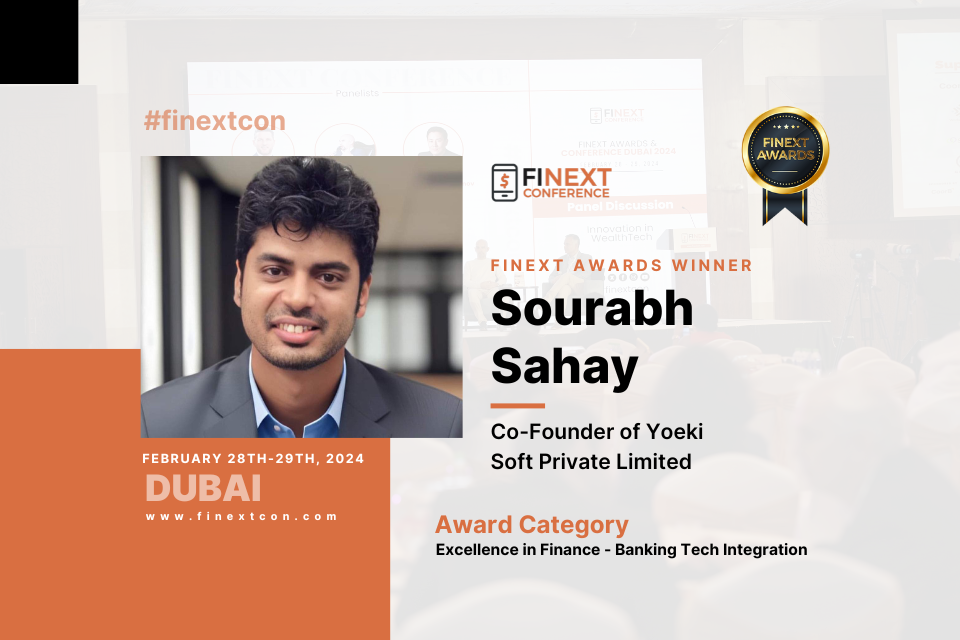
Sourabh Sahay, Co-Founder of Yoeki Soft Private Limited, is honored with an award for excellence in finance and banking.
Vishwa Sourabh, a visionary leader and Co-Founder of Yoekisoft, is set to showcase groundbreaking solutions at the prestigious FiNext Conference in Dubai. With an illustrious career spanning leadership roles at tech giants such as Meta (Facebook) and Amazon, Sourabh brings a wealth of experience and a proven track record of driving transformative change in the technology landscape. About Sourabh Sahay As Senior Leader in the ML Infra space at Meta, Sourabh played a pivotal role in laying the groundwork for ML infrastructure responsible for 98% of Meta’s revenue. His tenure as Engineering Leader at Amazon saw him spearheading operations and refunds management for global ecommerce operations. Sourabh’s contributions to Expedia Group, particularly in Destination Services and Expedia Rails framework, further underscore his expertise in driving innovation and operational excellence. In addition to his corporate achievements, Sourabh is a seasoned entrepreneur, having successfully founded and scaled up a profitable startup in ERP, retail banking, and industrial automation domains. Under his leadership, the startup expanded to over 100 employees, catering to diverse industries including fintech, oil and gas, manufacturing, telecom, and retail. “Yoekisoft is committed to revolutionizing the financial services industry through innovative technology solutions,” said Vishwa Sourabh, Chief Business Officer & Co-Founder of Yoekisoft. “Our mission is to empower organizations to streamline operations, reduce costs, and enhance customer experiences. I am thrilled to showcase our transformative products, including zipNACH, at the FiNext Conference and collaborate with industry leaders to drive positive change.” Yoekisoft’s flagship product, zipNACH, is a cloud-based solution designed to streamline and automate the NACH mandate registration process for banking and fintech institutions. By providing pre-populated fields, real-time validation, and seamless API integration, zipNACH enables businesses to standardize operations, reduce errors, and improve efficiency in recurring debt collection. “zipNACH represents our commitment to delivering innovative solutions that address the evolving needs of the financial industry,” added Sourabh. “We are dedicated to empowering businesses to thrive in today’s dynamic market landscape by leveraging cutting-edge technology and fostering collaboration.” To learn more about Yoekisoft and its innovative solutions, visit Yoekisoft.For more information about zipNACH, visit zipNACH. About Yoekisoft: Yoekisoft is a leading provider of IT solutions, specializing in delivering innovative products and services to the financial services industry. With a focus on driving efficiency, scalability, and value creation, Yoekisoft empowers organizations to achieve their business objectives and stay ahead in today’s competitive market. About Finext Conference: The FiNext Conference 2024, held on February 28th and 29th at the esteemed Crowne Plaza in Deira Dubai, emerged as a hallmark event celebrating the intersection of finance and technology. This premier gathering brought together visionaries, industry leaders, innovators, and disruptors from around the globe to explore, collaborate, and inspire.
“Shaping Tomorrow: Innovations in Open Banking Transactions and the Future of Payments”
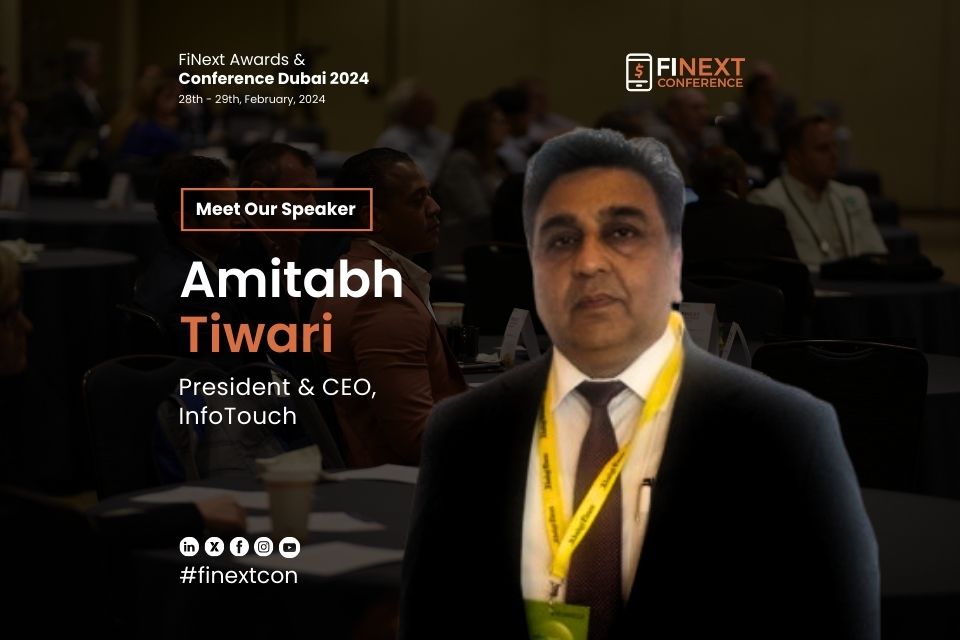
Mr. Amitabh Tiwari, a digital innovation specialist and corporate diplomat, assumes the role of President & Group CEO of Infotouch Technologies, a leading Digital and IT Innovation Company. With a distinguished career spanning entrepreneurship and intrapreneurship in the IT and digital innovation industry, Tiwari has played a pivotal role in transforming Infotouch Technologies into an international business arcade since its inception in 2006. “As an entrepreneur and intrapreneur, I am deeply committed to driving innovation and fostering collaborations in the digital landscape,” says Tiwari. “Infotouch Technologies is poised to lead the way in digital transformation, and I am honored to lead the company into its next phase of growth and success.” Future of Payments In the ever-evolving landscape of financial technology, banking transactions and the future of payments are at the forefront of innovation. The way we handle money is undergoing a radical transformation, driven by advances in technology, changing consumer expectations, and regulatory developments. This blog will explore the current state of banking transactions, emerging trends, and what the future holds for payments. The Evolution of Banking Transactions Traditionally, banking transactions were conducted in person, with customers visiting their local branch to deposit checks, withdraw cash, or transfer funds. The advent of the internet and mobile technology revolutionized this process, making it possible to perform almost any banking task online or via a smartphone. Today, digital banking is the norm, with customers expecting seamless, instant access to their accounts. Key Milestones in Banking Transactions Emerging Trends in Payments As technology continues to advance, new trends are shaping the future of payments. Here are some of the most significant developments: 1. Digital Wallets and Mobile Payments Digital wallets, such as Apple Pay, Google Wallet, and Samsung Pay, are becoming increasingly popular. These platforms store users’ payment information securely and allow for fast, contactless transactions using smartphones or wearable devices. The convenience and security of digital wallets are driving their adoption, particularly among younger consumers. 2. Cryptocurrencies and Blockchain Cryptocurrencies like Bitcoin and Ethereum are challenging traditional banking systems by offering decentralized, peer-to-peer transactions. Blockchain technology, which underpins cryptocurrencies, provides a secure and transparent way to record transactions. While the mainstream adoption of cryptocurrencies is still evolving, they hold the potential to disrupt traditional payment systems and offer new opportunities for innovation. 3. Biometric Authentication Biometric authentication, including fingerprint scanning, facial recognition, and voice recognition, is enhancing the security of banking transactions. By reducing reliance on passwords and PINs, biometrics provide a more secure and user-friendly way to authenticate transactions, helping to prevent fraud and identity theft. 4. Real-Time Payments The demand for real-time payments is growing, with consumers and businesses expecting instant transaction processing. Innovations like the Faster Payments Service (FPS) in the UK and the Federal Reserve’s FedNow service in the US are making real-time payments a reality. These systems allow for immediate fund transfers, enhancing cash flow and improving the overall efficiency of financial transactions. 5. Open Banking Open banking initiatives, which promote the sharing of financial data… Continue Reading “Shaping Tomorrow: Innovations in Open Banking Transactions and the Future of Payments”
“Unveiling the Future: The Ascendancy of Real-World Assets in the Decade of DeFi”
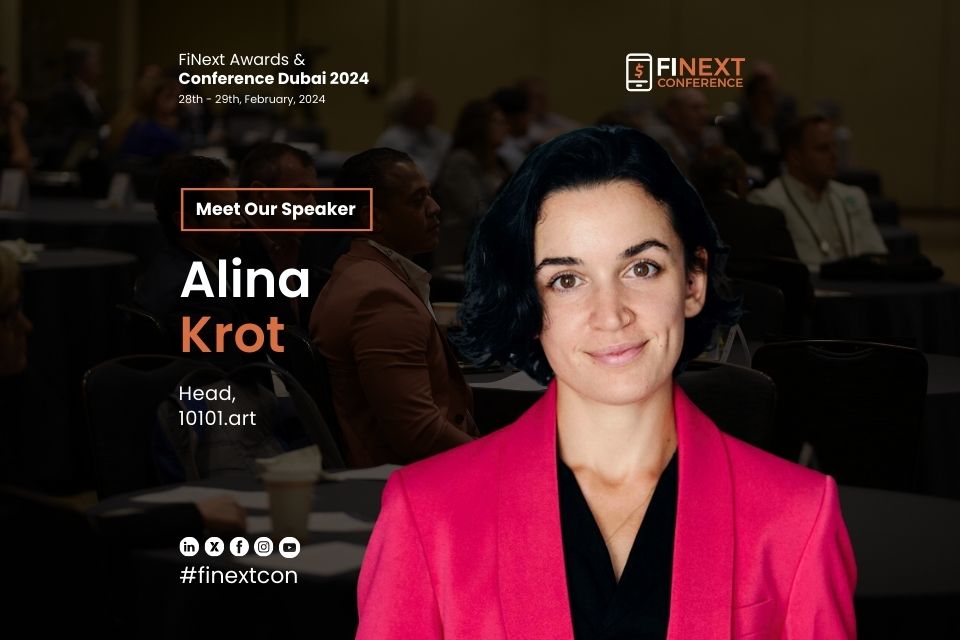
Alina Krot, a seasoned finance professional with over five years of experience at a prominent financialinstitution, is set to represent 10101.art at the upcoming FiNext Conference. As the project head of10101.art since 2022, Alina has been instrumental in leading a team of art, software development, andlegal experts to revolutionize the global art market through blockchain solutions. 10101.art is not just an ordinary art marketplace; it’s a groundbreaking platform that bridges the classicart market with modern technology. Through art tokenization, 10101.art allows individuals to purchaseownership of renowned artworks by world-famous artists such as Banksy, Warhol, Picasso, Dali, andmore. Alina Krot’s participation in the FiNext Conference underscores her commitment to advancinginnovation within the finance and art sectors. With her extensive background in finance and herleadership role at 10101.art, Alina brings a wealth of knowledge and expertise to the conference. “I am honored to represent 10101.art at the FiNext Conference,” says Alina Krot. “Our platform aims todemocratize access to art collecting opportunities and reshape the way people engage with the artmarket. I look forward to sharing our vision and insights with fellow industry professionals at theconference.” The FiNext Conference provides a unique platform for thought leaders, innovators, and industry expertsto come together and discuss the latest trends and developments in finance, technology, andentrepreneurship. Alina’s participation will contribute to the conference’s mission of fosteringcollaboration and driving innovation across various sectors. About Alina Krot: Alina Krot is a seasoned finance professional with over five years of experience in high-risk investmentlending initiatives. Since 2022, she has served as the project head of 10101.art, leading the team inrevolutionizing the global art market through blockchain solutions. About 10101.art 10101.art is an innovative art tokenization platform that allows individuals to collect pieces of realpaintings by renowned artists. By leveraging blockchain technology, 10101.art aims to democratizeaccess to art-collecting opportunities and modernize the art market.About FiNext Conference: About FiNext FiNext is a global conference that brings together professionals and thought leaders from the financialand technology sectors. The conference aims to foster collaboration, share insights, and exploreemerging trends shaping the future of finance.

“Revolutionizing Capital Markets: Exploring the Blockchain Disruption”
Dr. Zayed Al Hemairy, Government Digital Transformation Expert,Speaking on (How Blockchain Will Reshape Capital Markets.) to IlluminateBlockchain Innovation at FiNext ConferenceDr. Zayed Al Hemairy, a distinguished expert in Blockchain, Project Management,NGOs, Innovation, and IT, is set to share his extensive expertise at the upcomingFiNext Conference. Leveraging 15 years of experience, Dr. Al Hemairy has been atthe forefront of driving digital transformation within government sectors, with a focuson optimizing innovation through cutting-edge technologies like Blockchain. Dr. Zayed Al Hemairy’s career is marked by a profound commitment to drivinginnovation and efficiency in government services. With a proven track record ofautomating services onto digital and blockchain platforms, his research furtherdelves into the intricate realm of government innovation optimization through theseadvanced technologies. “Participating in the FiNext Conference provides a valuable platform to discuss thetransformative potential of Blockchain and other innovative technologies in thegovernment sector. It is an exciting opportunity to exchange ideas, shareexperiences, and contribute to the ongoing dialogue on digital transformation,”expressed Dr. Zayed Al Hemairy. Beyond his role in driving digital transformation, Dr. Al Hemairy is a catalyst forentrepreneurial success. By mentoring startups and facilitating valuable connections,he contributes to the growth of innovative ventures in the tech industry. Hiscommitment to fostering a culture of innovation extends beyond his research andprofessional responsibilities. About Dr. Zayed Al Hemairy Dr. Zayed Al Hemairy is a seasoned expert with 15years of experience in Blockchain, Project Management, NGOs, Innovation, and IT.His focus on driving digital transformation within government sectors and optimizinginnovation through cutting-edge technologies showcases his commitment to shapingthe future of public services. About FiNext Conference FiNext Conference is a global platform that brings together professionals, thought leaders, andinnovators from the finance and technology sectors. The conference aims to foster collaboration,facilitate knowledge exchange, and explore the transformative potential of emerging trends in finance.
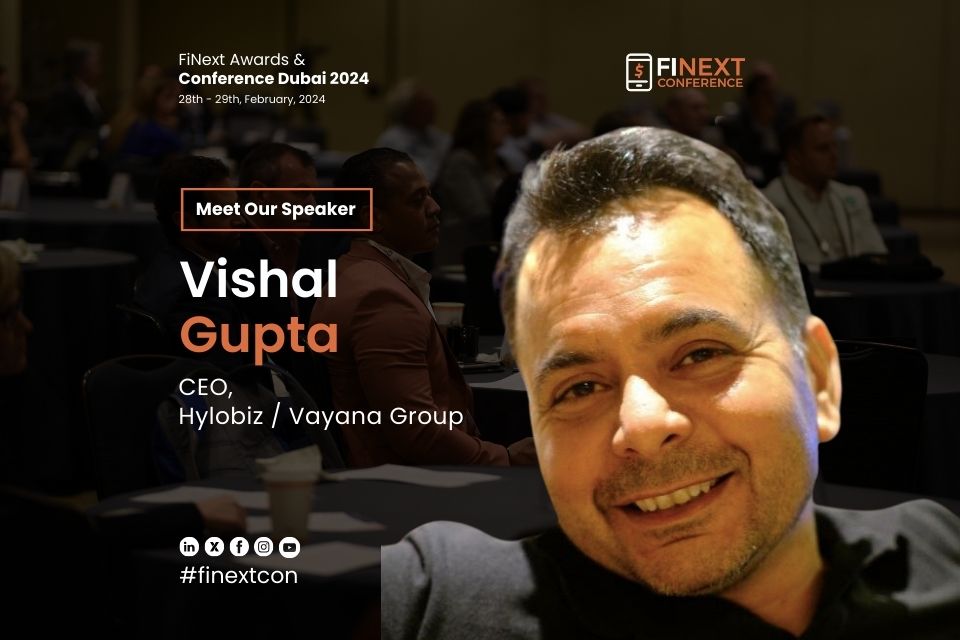
“Unlocking Financial Opportunities: Leveraging Platforms and Middleware for Alternative Financing with Hylobiz & VDP”
Vishal Gupta, Visionary Founder and CEO of HyLoBiz, to Illuminate FiNext Conference with Expertise in Neobanking and Embedded Finance Vishal Gupta, the dynamic Founder and Chief Executive of HyLoBiz (now part of the Vayana group), is set to bring his vibrant leadership and transformative expertise to the forefront at the upcoming FiNext Conference. Renowned for his role in digitizing businesses and SME value chains through neo banking and embedded finance, Vishal Gupta is not only a sought-after speaker at Fintech Forums, Digi banks, and inclusive finance events but is also recognized as a vibrant and passionate leader with a proven track record of turning ideas into successful ventures. Vishal Gupta’s Profile at a Glance: Founder and Chief Executive: Vishal Gupta serves as the driving force behind HyLoBiz, leading the charge in revolutionizing businesses and SMEs through innovative neobanking and embedded finance solutions. Inspirational Leader: Renowned for his vibrant and passionate leadership style, Vishal Gupta attracts a dynamic team by fostering a positive attitude towards building new companies. He is deeply passionate about the projects he undertakes, and his “doer” mentality sets him apart in the industry. Visionary Doer: Vishal Gupta delves into the details when needed and entrusts responsibilities to others when the situation permits. His bottom-up approach to building businesses reflects a keen understanding of the intricacies involved in creating successful ventures. Expertise in Business Building: Gupta brings extensive experience in building companies from ideation to realization. His contributions span conceptualization to realization, product/technology ideation, selection strategy, product roadmap alignment, and go-to-market strategy. Holistic Business Management: With a comprehensive understanding of all aspects of running a business unit, Gupta excels in customer relationship management, engineering management, quality systems, marketing, sales, budget management, resource management, and employee satisfaction. Product Lifecycle Management: Vishal Gupta has a proven track record in managing entire product life cycles, covering requirements assimilation, product definition, development, testing, support, customization, training, deployment/launch, and post-sales support. Networking and Specialties: Vishal Gupta is committed to building an excellent network with credible professionals in the industry. His specialties include cross-geographical engineering and product management, roadmap and next-generation product engagements, translating customer needs to product definition, strategic partnerships, technology engagements, and vendor relations and evaluations. Attendees at the FiNext Conference can anticipate gaining valuable insights from Vishal Gupta, who not only brings a wealth of knowledge in neobanking and embedded finance but also embodies the qualities of a vibrant, passionate, and hands-on leader committed to driving positive change in the industry. About Vishal Gupta Vishal Gupta is the Founder and Chief Executive of HyLoBiz, a visionary leader in the digitization of businesses and SME value chains through neobanking and embedded finance. His vibrant leadership style, coupled with a passion for transformative projects and a holistic approach to business management, has positioned him as a key influencer in the fintech industry. About FiNext Conference FiNext Conference is a global platform that brings together professionals, thought leaders, and innovators from the finance and technology sectors. The conference aims to foster collaboration, facilitate knowledge… Continue Reading “Unlocking Financial Opportunities: Leveraging Platforms and Middleware for Alternative Financing with Hylobiz & VDP”
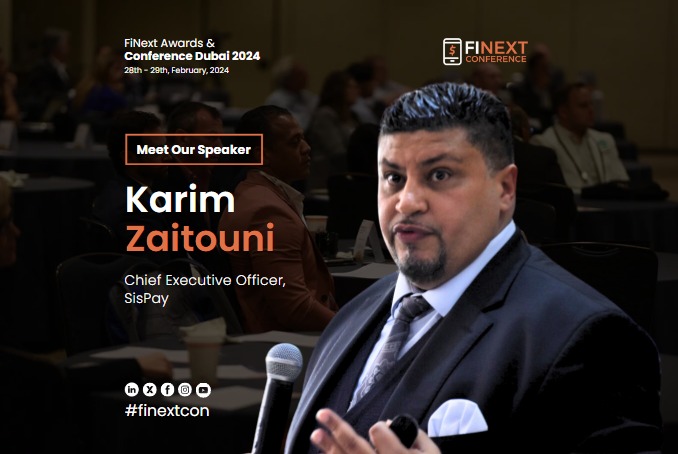
SisPay S.A proudly announces Mr. Karim Zaitouni as the esteemed CEO, a visionary leader renowned for his expertise in entrepreneurship, innovation, and electronic transactions. With an illustrious background in technology and business management, Mr. Zaitouni brings a wealth of experience and a passion for driving innovation to his role at SisPay. About Mr. Zaitouni’s Mr. Zaitouni’s journey to success is marked by notable achievements and accolades, including his distinction as a laureate of the Polytechnic University in Europe and his MBA in Management of Innovation, also attained in Europe. These educational accomplishments have provided him with a strong foundation in technology and management, enabling him to lead with foresight and strategic vision.As the CEO of SisPay S.A., Mr. Zaitouni spearheads an international company specializing in payment and added value services in electronic transactions. Under his leadership, SisPay serves customers across 36 countries in Africa, offering innovative solutions that revolutionize the digital payment landscape. In addition to his role at SisPay S.A., Mr. Zaitouni serves as the CEO of the Moroccan national company OnePay S.A., dedicated to serving small and mass merchants. His leadership has been instrumental in driving growth and expanding market reach for both companies.Furthermore, Mr. Zaitouni holds the position of CEO at SisPay Africa, a company based in Dubai, further solidifying his global presence and impact in the fintech industry. Beyond his corporate responsibilities, Mr. Zaitouni is actively involved in promoting entrepreneurship and innovation on both national and international platforms. He serves as the President of the Export Commission at APEBi, the Moroccan National Federation of Digital Companies, advocating for the advancement of digital technologies and business opportunities.Additionally, Mr. Zaitouni is the President of the Business Plus Network, an international professional business referral network operating under international ISO standards. This expansive networking platform connects professionals worldwide, fostering collaboration and growth opportunities across industries. Recognized as an expert in entrepreneurship and innovative projects, Mr. Zaitouni is a sought-after international speaker, sharing his insights on entrepreneurship, innovation, and new technologies. His expertise and leadership have positioned him as a driving force in shaping the future of electronic transactions globally.“At SisPay S.A., we are committed to pioneering innovative solutions that will become integral to the industry,” says Mr. Zaitouni. “Each product we develop requires skills, dedication, and boldness. We are proud to lead the way in leveraging smart technology to redefine electronic transactions.” About SisPay About SisPay S.A.: SisPay S.A. is a leading international company specializing in payment and added value services in electronic transactions. With a focus on innovation and customer-centric solutions, SisPay is dedicated to revolutionizing the digital payment landscape and driving financial inclusion worldwide.
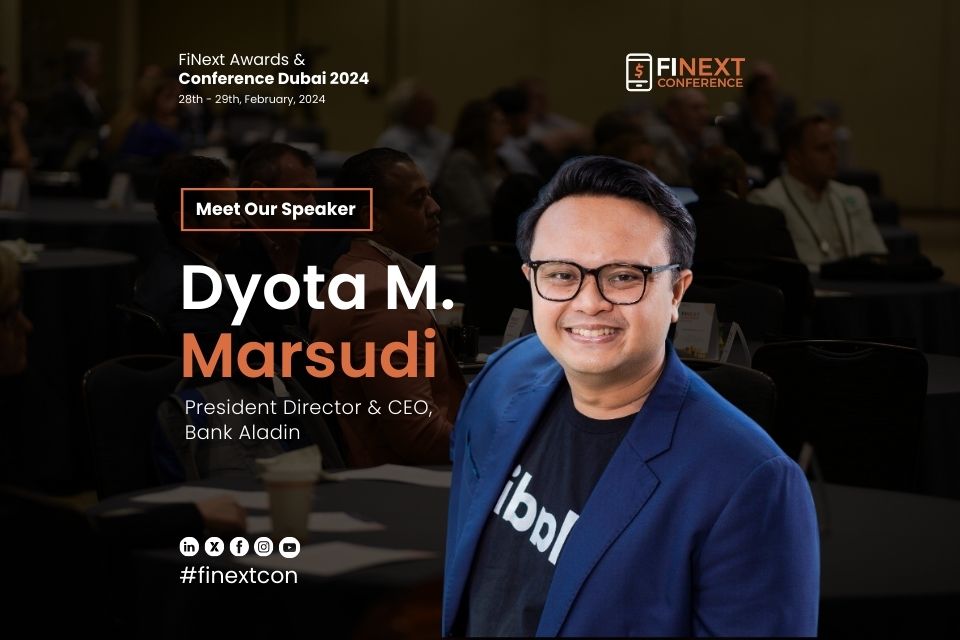
“Bridging the Gap: Dyota M Marsudi’s Insights on Fintech & Banking”
Dyota Marsudi President Director & CEO | PT Bank Aladin Syariah Tbk Envision Partnership’s CEO, Shelli Ryan, to Share Global Insights at the FiNext Conference, Alongside Industry Leader Dyota Marsudi
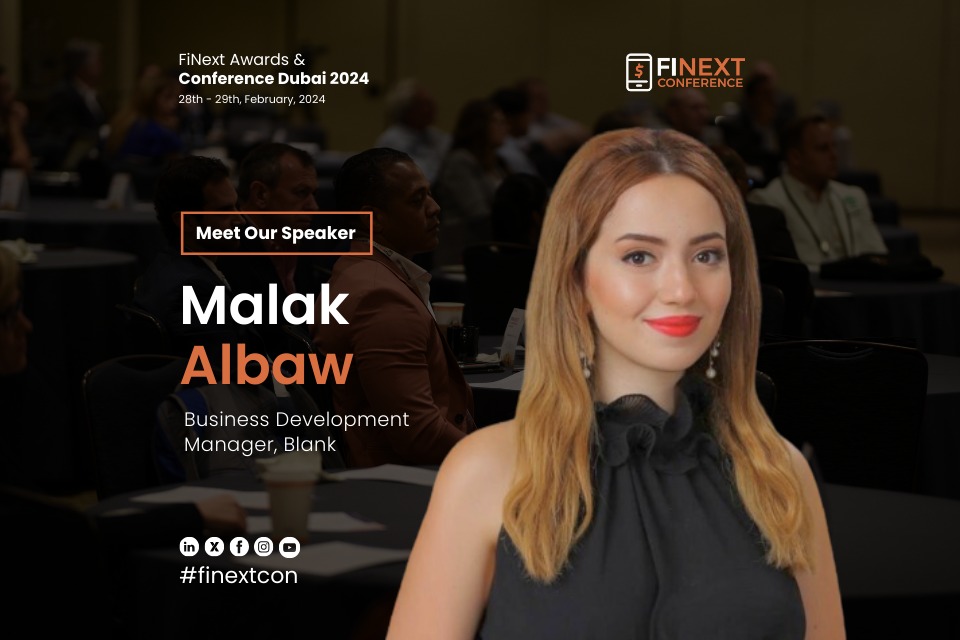
Malak Albaw, Executive Business Development Manager at BLANK, to ShowcaseInnovations at FiNext ConferenceMalak Albaw, the astute Executive Business Development Manager at BLANK, andThe COO at the AB launch is set to share her insights and experiences at the upcoming FiNextThe conference, underscored the platform’s pivotal role in revolutionizing the transition ofweb2 to web3 startups.In her capacity as the Executive Business Development Manager at BLANK, MalakAlbaw has been instrumental in fostering connections between BLANK and forward–thinking web2 startups with aspirations to transition to web3 seamlessly. Additionally,she plays a key role in supporting web3 startups looking to expand their teams andembark on new projects.One of the notable achievements under Malak’s guidance is the contribution of BLANK’sdevelopment team to the NFT collection for Infobip, a Croatian unicorn SaaS platformdeeply rooted in Web 2. The team’s expertise played a crucial role in the success of theNFT collection, where on the launch day alone, 300 NFT hoodies were sold out,marking a remarkable achievement in the evolving landscape of digital collectibles andconnecting the physical world with the digitalMalak Albaw expressed her anticipation for participating in the FiNext Conference,stating, “The FiNext Conference provides an excellent platform to share ourexperiences and insights into the transformative journey from web2 to web3. BLANK iscommitted to driving innovation and supporting startups in navigating the complexities ofthe evolving digital landscape.”BLANK’s presence at the FiNext Conference is expected to shed light on the platform’sunique capabilities in facilitating seamless transitions for startups, fostering growth, andcontributing to the success of building great Web3 software products.About Blank: Pioneering Innovation in Digital Product DevelopmentBlank, a forward-thinking software company, is dedicated to crafting cutting-edge digitalproducts that transcend geographical boundaries. With a global clientele, we specializein developing business web and mobile apps, leveraging our passion for the evolvinglandscapes of web3 and the Metaverse.Our Expertise:At Blank, our multidisciplinary team comprises Frontend and Backend Engineers, SmartContract Engineers, and UI/UX Designers. With a collective professional experienceexceeding 10 years, we bring a wealth of expertise to every phase of the productdevelopment lifecycle.Passion for Web3 and NFTs: Driven by an unwavering passion for web3 and the NFT space, we thrive on creatinginnovative solutions that push the boundaries of digital possibilities. Whether it’sexploring the potential of blockchain or delving into the immersive world of theMetaverse, Blank is at the forefront of technological exploration.Understanding Tech and Business:What sets Blank apart is our team’s unique blend of tech expertise and entrepreneurialinsight. Having individuals with hands-on experience in both realms allows us tonavigate the intricate intersection of technology and business seamlessly. Wecomprehend the challenges of building a digital product, ensuring that our solutions notonly meet technological standards but also address real-world business needs. Why Choose Blank ● Comprehensive Team: Our team is equipped with diverse skill sets, ensuringwe cover all digital product development aspects.● Global Perspective: With a client base spanning the globe, we bring a globalperspective to our projects, considering varied cultural and market nuances.● Innovation in Web3: Embracing the future, we actively engage with the latesttechnologies, focusing on web3 and NFT spaces.Get Started with Us:Ready to… Continue Reading “Malak Albaw Explores Accelerating Digitalization in Islamic Banking: Insights from the Panel Discussion”