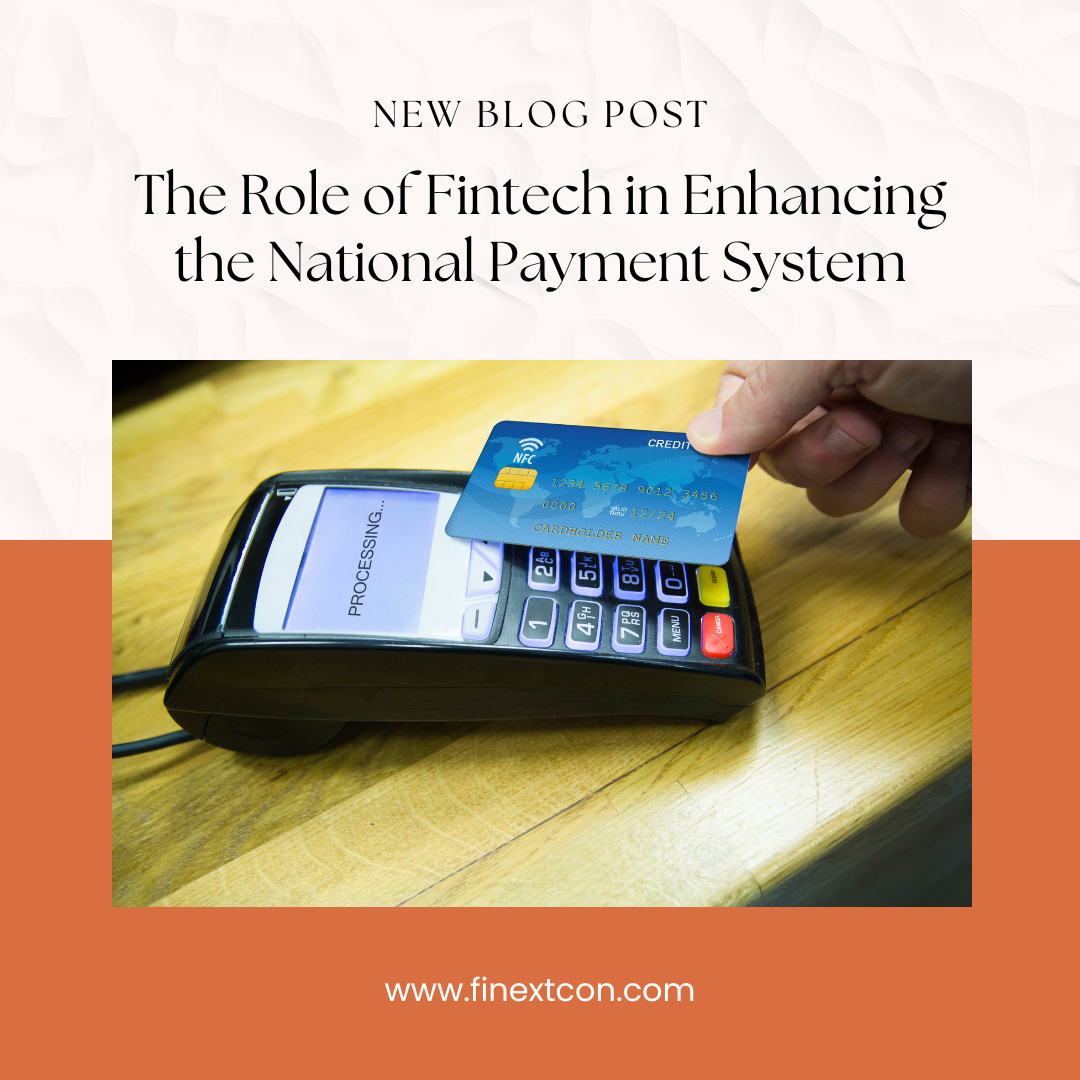
In the modern financial landscape, the advent of financial technology (fintech) has profoundly impacted the way we conduct transactions, manage finances, and perceive money. One of the most significant areas where fintech has brought about a revolutionary change is the national payment system. This blog delves into the crucial role fintech plays in enhancing the national payment system, its benefits, challenges, and the future outlook. Understanding the National Payment System The national payment system (NPS) encompasses the set of instruments, procedures, and rules used to transfer funds between entities within a country. It is a crucial component of the financial infrastructure, ensuring the efficient and secure movement of money. A robust NPS is essential for economic stability, facilitating trade, investment, and overall economic growth. The Rise of Fintech Fintech, a fusion of finance and technology, leverages innovations like blockchain, artificial intelligence, and big data to offer enhanced financial services. Its rise has disrupted traditional banking and payment systems, introducing new ways of conducting transactions that are faster, more secure, and more inclusive. Enhancing Efficiency and Speed One of the most notable contributions of fintech to the NPS is the significant improvement in efficiency and speed. Traditional payment methods often involve multiple intermediaries, leading to delays and higher costs. Fintech solutions, such as peer-to-peer (P2P) payment platforms and digital wallets, streamline the process, reducing the time taken for transactions to mere seconds. For instance, real-time payment systems like the Unified Payments Interface (UPI) in India have revolutionized how money is transferred, allowing instant bank-to-bank transfers 24/7. This not only enhances user convenience but also boosts economic activities by ensuring funds are available immediately for further transactions. Promoting Financial Inclusion Fintech has played a pivotal role in promoting financial inclusion, particularly in developing countries. Traditional banking systems often exclude large segments of the population, especially those in rural areas or with low incomes. Fintech bridges this gap by providing accessible and affordable financial services through mobile phones and the internet. Mobile money services like M-Pesa in Kenya have brought millions into the financial system, enabling them to save, borrow, and transfer money without needing a bank account. By integrating more people into the formal financial system, fintech strengthens the NPS and contributes to overall economic growth. Enhancing Security and Transparency Security and transparency are paramount in any payment system. Fintech innovations have significantly bolstered these aspects through technologies like blockchain and biometrics. Blockchain, for example, offers a decentralized ledger system that ensures transparency and reduces the risk of fraud. Biometric authentication methods, such as fingerprint and facial recognition, add an extra layer of security to financial transactions, minimizing the risk of unauthorized access. These advancements not only protect users but also enhance trust in the NPS, encouraging more people to adopt digital payment methods. Challenges and Considerations Despite its numerous benefits, the integration of fintech into the national payment system is not without challenges. Regulatory frameworks need to evolve to keep pace with technological advancements, ensuring that fintech innovations do not compromise… Continue Reading The Role of Fintech in Enhancing the National Payment System
Author: user
Top 10 Banking Conferences in Dubai 2025
Dubai, a thriving financial hub, is set to host several key banking conferences in 2025. These events provide unparalleled opportunities for networking, learning, and discussing the latest trends and innovations in the banking sector. Here are the top 10 banking conferences to look forward to in Dubai this year Banking Conferences Dubai 1. FiNext Awards & Conference Date: Feburary 10-11, 2025 Location: Dubai The FiNext Awards & Conference Dubai 2025 is a premier event designed to bring together the brightest minds and leading innovators in the financial technology (FinTech) industry. Scheduled for February 10-11, 2025, this event will be held in the dynamic and cosmopolitan city of Dubai, known for its rapid advancements in technology and finance. 2. Middle East Banking Innovation Summit Date: April 14-15, 2025Location: Jumeirah Emirates Towers Middle East Banking Innovation Summit focus on the latest innovations in the banking industry. Attendees will explore new technologies, such as blockchain and artificial intelligence, and their impact on banking operations and customer experience. 3. Global Islamic Finance and Banking Conference Date: May 20-21, 2025Location: Atlantis, The Palm Global Islamic Finance and banking conference is a must-attend for professionals involved in Islamic banking and finance. It offers a platform to discuss Sharia-compliant banking practices, investment opportunities, and the future of Islamic finance in the global market. 4. Dubai Fintech Summit Date: June 5-6, 2025Location: Dubai World Trade Centre The Dubai Fintech Summit brings together fintech startups, banks, and investors to discuss the latest trends in financial technology. The event will include startup pitches, panel discussions, and networking opportunities aimed at fostering collaboration and innovation in the fintech space. 5. Banking Transformation Forum Date: July 10-11, 2025Location: The Ritz-Carlton, Dubai Banking Transformation Forum Focusing on the digital transformation of the banking sector, this forum will cover topics such as digital banking strategies, customer experience, and the role of data analytics in banking. It’s an ideal event for professionals looking to drive innovation in their organizations. 6. Middle East Wealth Management Forum Date: September 15-16, 2025Location: Address Downtown This forum targets wealth management professionals, offering insights into the latest trends and strategies in wealth management. Discussions will cover investment strategies, regulatory challenges, and the role of technology in managing wealth. 7. Dubai Blockchain and Cryptocurrency Conference Date: October 8-9, 2025Location: Dubai International Convention & Exhibition Centre As blockchain and cryptocurrencies continue to reshape the banking industry, this conference provides a deep dive into these technologies. Attendees will explore their applications in banking, regulatory considerations, and future trends in digital currencies. 8. Middle East Compliance and Risk Management Conference Date: November 12-13, 2025Location: InterContinental Dubai Festival City With a focus on compliance and risk management, this conference will address regulatory changes, risk assessment strategies, and best practices in managing compliance. It’s a crucial event for risk managers and compliance officers in the banking sector. 9. Gulf International Banking Conference Date: November 25-26, 2025Location: Four Seasons Resort Dubai at Jumeirah Beach This conference brings together banking leaders from across the Gulf region to discuss regional banking… Continue Reading Top 10 Banking Conferences in Dubai 2025
The Role of Islamic Banking in Promoting Financial Inclusion
The Role of Islamic Banking in Promoting Financial Inclusion

The Role of Artificial Intelligence in Modern Tax Administration
Role of Artificial Intelligence in Modern Tax Administration

Top 10 Finance Conferences in Dubai 2025 You Can’t Miss
Dubai has firmly established itself as a global financial hub, attracting industry leaders, innovators, and investors from around the world. In 2025, the city is set to host a series of finance conferences that will provide unparalleled opportunities for networking, learning, and collaboration. Here are the top 10 finance conferences you should not miss in Dubai this year: Top 10 Finance Conferences Dubai 2025 1. FiNext Awards & Conference Date: February 12-13, 2025Venue: Le Meridien Dubai Hotel & Conference Centre Dubai The FiNext Awards & Conference Dubai 2025 is a premier event designed to bring together the brightest minds and leading innovators in the financial technology (FinTech) industry. Scheduled for February 12-13, 2025, this event will be held in the dynamic and cosmopolitan city of Dubai, known for its rapid advancements in technology and finance. 2. Fintech Innovation Forum Date: April 15-16, 2025Venue: Jumeirah Emirates Towers The Fintech Innovation Forum is a must-attend for anyone interested in the intersection of technology and finance. This event will feature presentations from leading fintech startups, panel discussions on the latest innovations, and networking sessions with industry pioneers. 3. Islamic Finance Conference Date: May 20-22, 2025Venue: The Ritz-Carlton, Dubai Focused on the growing field of Islamic finance, this conference will explore the principles, opportunities, and challenges of Sharia-compliant financial products. Attendees will have the chance to hear from experts in Islamic banking, sukuk (Islamic bonds), and ethical investing. 4. Global Investment Summit Date: June 10-11, 2025Venue: Burj Al Arab The Global Investment Summit attracts investors, asset managers, and financial advisors from around the world. Discussions will cover a wide range of topics, from emerging markets to sustainable investments, providing valuable insights for anyone looking to diversify their portfolio. 5. Dubai Blockchain Conference Date: July 22-24, 2025Venue: Dubai International Financial Centre With blockchain technology continuing to revolutionize the finance industry, the Dubai Blockchain Conference is the place to be for cutting-edge developments in this space. Attendees will learn about the latest use cases, regulatory updates, and investment opportunities in blockchain and cryptocurrency. 6. Wealth Management Expo Date: August 12-13, 2025Venue: Address Downtown Dubai The Wealth Management Expo is tailored for private bankers, financial advisors, and high-net-worth individuals. The event will feature workshops and seminars on wealth preservation, estate planning, and the latest strategies for wealth accumulation. 7. Middle East Banking Forum Date: September 15-16, 2025Venue: Atlantis, The Palm This forum brings together banking professionals from across the Middle East to discuss regional banking trends, regulatory changes, and the future of digital banking. It’s an excellent opportunity for networking and gaining insights into the Middle Eastern banking sector. 8. Dubai Venture Capital Conference Date: October 5-6, 2025Venue: One&Only Royal Mirage Startups and venture capitalists converge at the Dubai Venture Capital Conference to explore funding opportunities and investment trends. This event is perfect for entrepreneurs seeking capital and investors looking for the next big thing. 9. Financial Regulatory Summit Date: November 10-11, 2025Venue: Conrad Dubai The Financial Regulatory Summit addresses the evolving landscape of financial regulation. Attendees will gain… Continue Reading Top 10 Finance Conferences in Dubai 2025 You Can’t Miss
Common Challenges Faced by Businesses When Implementing Electronic Merchant Systems
In today’s fast-paced, technology-driven world, the implementation of electronic merchant systems (EMS) has become crucial for businesses of all sizes. These systems streamline payment processes, enhance customer experiences, and improve overall operational efficiency. However, despite their numerous advantages, businesses often face several challenges during the implementation of electronic merchant systems. Understanding these challenges is the first step towards mitigating them effectively. 1. Integration with Existing Systems Integrating an electronic merchant system with existing business infrastructure can be a complex task. Many businesses operate with legacy systems that might not be compatible with modern EMS. This incompatibility can lead to disruptions in business operations and data inconsistencies. To overcome this, businesses need to invest in comprehensive integration solutions that ensure seamless connectivity between old and new systems. 2. Data Security and Compliance Data security is a paramount concern for businesses implementing electronic merchant systems. With increasing incidents of cyberattacks and data breaches, ensuring the security of sensitive customer information is critical. Compliance with regulations such as the Payment Card Industry Data Security Standard (PCI DSS) adds another layer of complexity. Businesses must adopt robust security measures, including encryption, secure authentication, and regular security audits, to protect against data breaches and comply with regulatory requirements. 3. User Training and Adaptation The successful implementation of an EMS requires that all users, including employees and customers, are adequately trained. Employees need to understand how to use the system efficiently, and customers need to feel comfortable using it. Resistance to change and a lack of proper training can lead to underutilization of the system and operational inefficiencies. Comprehensive training programs and user-friendly interfaces can help overcome these challenges. 4. Cost Considerations Implementing an electronic merchant system involves significant upfront and ongoing costs. These include the costs of purchasing the system, integration, training, and maintenance. Small businesses, in particular, might find these expenses burdensome. To address this challenge, businesses should conduct a thorough cost-benefit analysis to ensure that the long-term benefits of the system justify the initial investment. Additionally, exploring flexible pricing models and financing options can help manage costs effectively. 5. Technical Support and Maintenance Once an EMS is implemented, ongoing technical support and maintenance are essential to ensure its smooth operation. Businesses might face challenges in accessing timely support, especially if the system is complex or the vendor is unresponsive. Partnering with a reliable vendor that offers robust support and maintenance services can mitigate these issues. Additionally, having an in-house technical team trained to handle minor issues can reduce dependency on external support. 6. Scalability and Flexibility As businesses grow, their needs evolve. An electronic merchant system must be scalable and flexible enough to accommodate changing business requirements. Many businesses face challenges when their EMS cannot scale with their growth or adapt to new market trends. Choosing a system with scalable architecture and customizable features can help businesses stay agile and responsive to market changes. 7. Customer Experience The primary goal of implementing an EMS is to enhance the customer experience. However, if the… Continue Reading Common Challenges Faced by Businesses When Implementing Electronic Merchant Systems
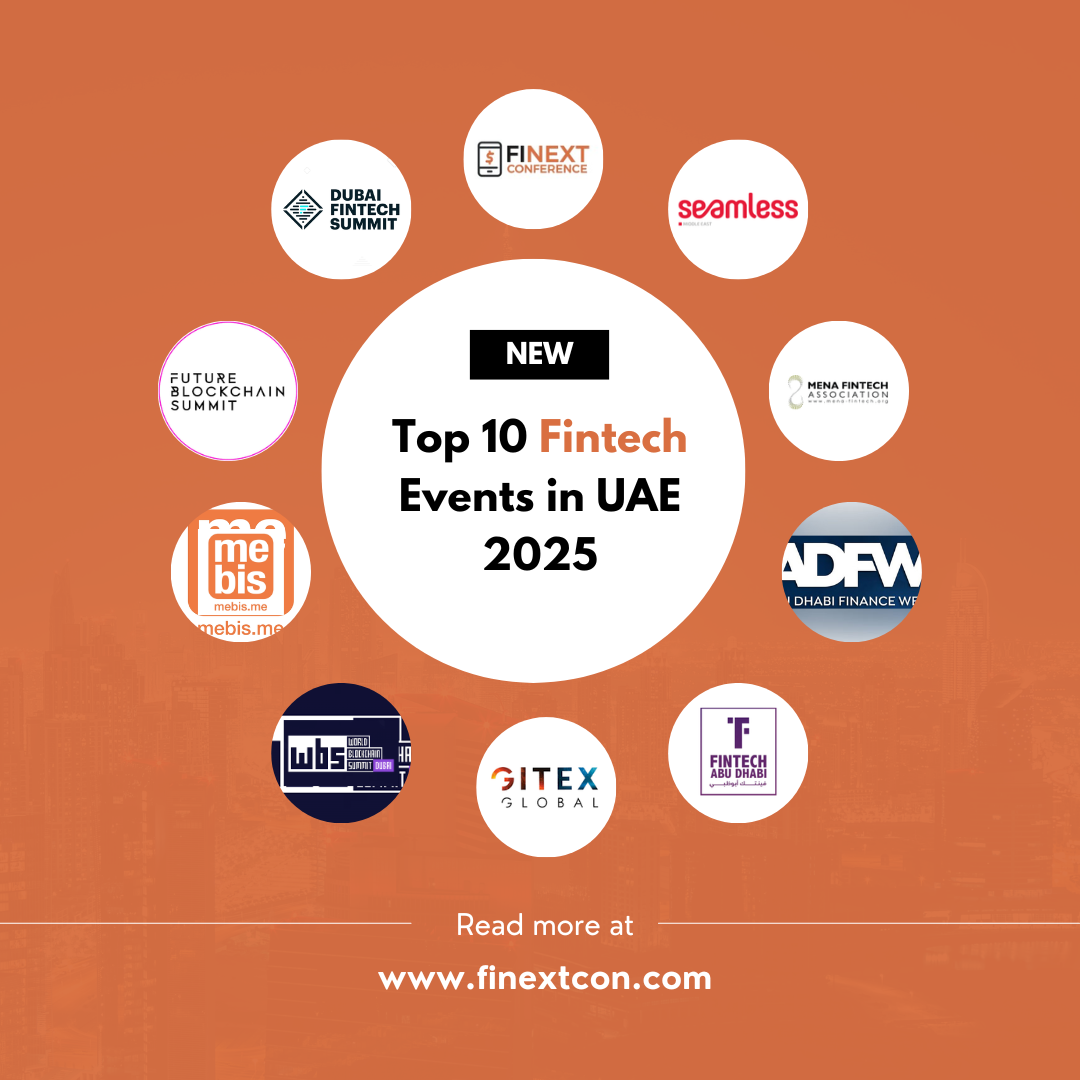
Top 10 Fintech Events in UAE 2025
The United Arab Emirates (UAE) continues to establish itself as a global hub for financial technology (fintech), with Dubai and Abu Dhabi leading the charge. In 2025, the UAE will host a plethora of fintech events that will bring together industry leaders, innovators, investors, and enthusiasts from around the world. Here’s a look at the top 10 fintech events in the UAE that you should mark on your calendar. Fintech Events In the UAE 2025 1.FiNext Awards & Conference Date: Feburary 12-13, 2025 Location: Dubai The FiNext Awards & Conference Dubai 2025 is a premier event designed to bring together the brightest minds and leading innovators in the financial technology (FinTech) industry. Scheduled for February 26-27, 2025, this event will be held in the dynamic and cosmopolitan city of Dubai, known for its rapid advancements in technology and finance. 2.Seamless Middle East Date: April 15-16, 2025 Location: Dubai Seamless Middle East is a comprehensive event that covers fintech, payments, e-commerce, retail, and identity. With over 300 speakers and hundreds of exhibitors, this event offers unparalleled opportunities for learning and networking. 3.GITEX Global Date: October 6-10, 2025 Location: Dubai As one of the largest technology events in the world, GITEX Global features a dedicated fintech section that showcases the latest advancements in financial technology. It’s a must-attend for anyone looking to stay ahead in the tech-driven financial landscape. 4.Abu Dhabi Finance Week Date: November 3-7, 2025 Location: Abu Dhabi Abu Dhabi Finance Week focuses on the future of finance, featuring discussions on fintech, sustainable finance, and investment trends. It attracts a global audience of policymakers, industry leaders, and innovators. 5.Dubai FinTech Summit Date: June 24-25, 2025 Location: Dubai The Dubai FinTech Summit is a premier event that brings together fintech startups, financial institutions, and investors. The summit covers a wide range of topics, including blockchain, digital banking, and regulatory challenges. 6.Middle East Banking Innovation Summit Date: September 8-9, 2025 Location: Dubai This summit is dedicated to exploring the latest innovations in banking technology. With a strong focus on digital transformation, the event provides a platform for banks and fintech companies to collaborate and drive the future of banking. 7.World Blockchain Summit Date: February 18-19, 2025 Location: Dubai The World Blockchain Summit gathers blockchain experts and enthusiasts to discuss the transformative potential of blockchain technology in various industries, including finance. It’s an essential event for those interested in the intersection of blockchain and fintech. 8.MENA Fintech Association Annual Conference Date: May 20, 2025 Location: Abu Dhabi Organized by the MENA Fintech Association, this conference focuses on the regional fintech ecosystem. It offers valuable insights into regulatory developments, market trends, and the challenges faced by fintech companies in the Middle East and North Africa. 9.Future Blockchain Summit Date: October 20-21, 2025 Location: Dubai Part of the broader GITEX Technology Week, the Future Blockchain Summit is dedicated to blockchain technology and its applications in fintech. It’s a great opportunity to explore blockchain innovations and network with industry pioneers. 10.Fintech Abu Dhabi Date: December 1-2, 2025 Location:… Continue Reading Top 10 Fintech Events in UAE 2025

How Flutterwave Supports Financial Inclusion through Money Transfers
In today’s interconnected world, financial inclusion remains a critical issue, especially in developing regions where access to financial services is limited. Flutterwave, a leading payment technology company in Africa, is making significant strides in bridging this gap. By leveraging innovative solutions and a robust platform, Flutterwave is empowering individuals and businesses through seamless money transfers. This blog explores how Flutterwave supports financial inclusion and transforms lives across the continent. Understanding Financial Inclusion Financial inclusion refers to the availability and accessibility of financial services to all individuals, regardless of their socio-economic status. It encompasses a range of services, including banking, payments, savings, credit, and insurance. Financial inclusion is essential for economic development, poverty reduction, and overall societal well-being. Flutterwave’s Role in Promoting Financial Inclusion Flutterwave has emerged as a pivotal player in the financial technology sector, particularly in Africa. Here’s how the company is driving financial inclusion through money transfers: Success Stories The impact of Flutterwave’s efforts is evident in the numerous success stories from individuals and businesses across Africa. For instance, a small business owner in Nigeria can now receive payments from international customers seamlessly, thanks to Flutterwave’s payment gateway. Similarly, a student in Kenya can receive remittances from family abroad quickly and affordably, helping them focus on their studies without financial stress. The Road Ahead While significant progress has been made, the journey towards complete financial inclusion is ongoing. Flutterwave continues to innovate and expand its services to reach more people and address emerging challenges. The company’s commitment to financial inclusion is a testament to its vision of a world where everyone has access to the financial services they need to thrive. Conclusion Flutterwave’s dedication to financial inclusion through money transfers is transforming lives and fostering economic growth across Africa. By providing accessible, affordable, and innovative financial solutions, Flutterwave is empowering individuals and businesses to participate fully in the economy. As the company continues to expand and innovate, the future of financial inclusion in Africa looks promising.
The Rise of Payment Gateways in the Gulf: A Digital Transformation
Introduction The Gulf region, encompassing countries like Saudi Arabia, the United Arab Emirates, Qatar, Oman, Kuwait, and Bahrain, is witnessing a rapid digital transformation. One of the most significant developments in this digital revolution is the rise of payment gateways. These financial services play a crucial role in facilitating online transactions, ensuring seamless and secure payment processes for businesses and consumers alike. In this blog, we will explore the growth, key players, and the future of payment gateways in the Gulf. The Growth of E-commerce and Digital Payments The Gulf region has seen a substantial increase in e-commerce activities over the past decade. Factors such as high internet penetration, widespread smartphone usage, and a young, tech-savvy population have contributed to this growth. As more businesses and consumers embrace online shopping, the demand for reliable and efficient payment gateways has surged. Key Players in the Gulf’s Payment Gateway Market Several payment gateway providers have established a strong presence in the Gulf region. Some of the key players include: PayTabs: Headquartered in Saudi Arabia, PayTabs is one of the leading payment gateway providers in the Middle East. It offers a range of services, including online payment processing, invoicing, and mobile payments. Network International: Based in the UAE, Network International is a prominent payment solutions provider in the Gulf region. It offers a comprehensive suite of services, including payment processing, merchant acquiring, and fraud prevention. Telr: Another UAE-based company, Telr, provides online payment solutions for businesses of all sizes. It offers a secure and scalable platform for processing payments in multiple currencies. Moyasar: A Saudi Arabian payment gateway, Moyasar, offers a user-friendly interface and supports various payment methods, including credit cards, bank transfers, and digital wallets. Features and Benefits of Payment Gateways Payment gateways in the Gulf region offer a range of features and benefits that cater to the diverse needs of businesses and consumers: Challenges and Opportunities Despite the numerous benefits, there are challenges that payment gateways in the Gulf region must address: The Future of Payment Gateways in the Gulf The future of payment gateways in the Gulf region looks promising. As digital transformation continues to accelerate, the demand for efficient and secure payment solutions will only grow. Key trends to watch include the rise of mobile payments, the adoption of blockchain technology, and the integration of artificial intelligence to enhance fraud detection and prevention. Conclusion Payment gateways are playing a pivotal role in the Gulf’s digital economy, enabling businesses to thrive in the online marketplace and providing consumers with secure and convenient payment options. As the region continues to embrace digital transformation, the importance of payment gateways will only increase, driving innovation and growth in the financial sector. For businesses looking to expand their online presence in the Gulf, partnering with a reliable payment gateway provider is a critical step towards success.

Investing in Cryptocurrency: Risks and Rewards
Cryptocurrency has become one of the most talked-about investment opportunities of the 21st century. Since the introduction of Bitcoin in 2009, the crypto market has grown exponentially, capturing the interest of investors worldwide. But as with any investment, it’s crucial to understand both the potential rewards and the inherent risks. In this blog, we will explore the key aspects of investing in cryptocurrency, providing a balanced view to help you make informed decisions. The Rewards of Investing in Cryptocurrency 1. High Returns Potential One of the most enticing aspects of cryptocurrency investment is the potential for high returns. Early adopters of Bitcoin, for example, have seen astronomical gains. Cryptocurrencies like Ethereum, Binance Coin, and Solana have also provided significant returns for investors. The volatile nature of the market can lead to substantial profits in a relatively short period. 2. Diversification Cryptocurrencies offer a new asset class that can diversify an investment portfolio. By including digital assets alongside traditional investments like stocks, bonds, and real estate, investors can reduce their overall risk. Diversification helps in spreading risk and can improve the potential for returns. 3. Decentralization and Innovation The decentralized nature of cryptocurrencies means they are not controlled by any single entity, such as a government or financial institution. This decentralization can provide a hedge against inflation and currency devaluation. Additionally, the underlying blockchain technology is revolutionizing various industries, from finance to supply chain management, presenting new investment opportunities. 4. Accessibility and Liquidity Cryptocurrencies are highly accessible. Anyone with an internet connection can participate in the market. Unlike traditional stock markets, the crypto market operates 24/7, providing liquidity and the ability to trade at any time. The Risks of Investing in Cryptocurrency 1. Volatility The cryptocurrency market is notoriously volatile. Prices can fluctuate wildly within short periods, leading to significant gains or losses. For instance, Bitcoin has experienced drops of over 50% in a matter of weeks. This volatility can be daunting for investors who are not prepared for rapid changes in their portfolio’s value. 2. Regulatory Uncertainty Cryptocurrencies exist in a regulatory grey area in many countries. Governments and regulatory bodies are still figuring out how to handle digital assets. Future regulations could impact the market significantly, potentially leading to restrictions, higher taxes, or even bans in some jurisdictions. 3. Security Risks While blockchain technology is inherently secure, the platforms and exchanges used to trade cryptocurrencies are not immune to hacks and cyber-attacks. There have been numerous instances of exchanges being hacked and investors losing their funds. It is essential to use reputable exchanges and secure your digital assets in wallets. 4. Market Manipulation and Fraud The relatively unregulated nature of the crypto market makes it susceptible to market manipulation and fraud. Pump-and-dump schemes, where the price of a cryptocurrency is artificially inflated before being sold off, are not uncommon. Investors need to conduct thorough research and be cautious of too-good-to-be-true opportunities. Tips for Mitigating Risks Conclusion Investing in cryptocurrency can offer substantial rewards but comes with significant risks. By… Continue Reading Investing in Cryptocurrency: Risks and Rewards